
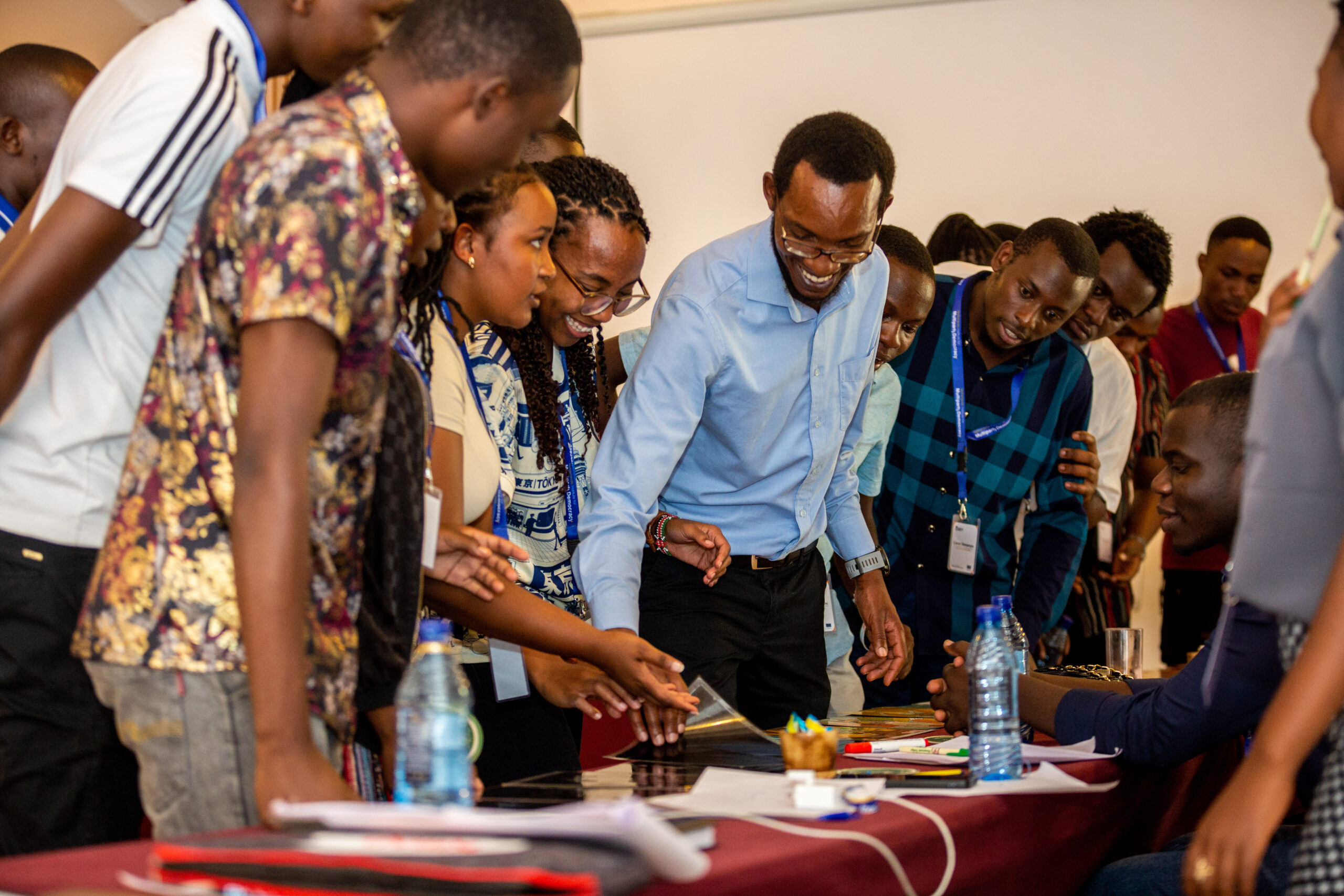
The Youth Political Clinic: Diagnosing and Overcoming Barriers to Civic Engagement
How Young Nigerians Can Identify the Obstacles and Build Real Political Power
By Pascal Igyundu, SOAI
Civic engagement is the process through which citizens take part in public life to influence decisions and improve their communities. It includes voting, joining a political party, attending town halls, monitoring elections, advocating on public issues and holding leaders accountable. In a democracy, it is the link between what citizens need and what government does.
For young Nigerians, this raises a practical question: what stands between you and meaningful civic engagement, and how do you overcome it? Participation without diagnosis is incomplete, because a problem that has not been clearly identified cannot be solved. The Youth Political Clinic exists to name the barriers and prescribe practical responses.
Barrier One: Restricted Access to Party Structures
Most parties remain closed networks. Nomination forms are expensive, and primaries favour money and connections over ideas and grassroots support. Young aspirants are told to join a process that is designed to filter them out.
Clinic Response: Map the decision-makers in your local party structure. Document the cost of forms and the rules governing primaries. Build issue-based platforms that can negotiate access collectively, since organised numbers change outcomes more than isolated ambition.
Barrier Two: Weak Civic and Political Literacy
Many young people lack clear knowledge of how candidates emerge, how party registers work, or how power is distributed across the levels of government. Civic education has been left largely to chance.
Clinic Response: Treat political knowledge as a skill. Study the Electoral Act, party constitutions and the structure of local government, and form study groups to work through them. Demand continuous, practical civic education from universities and civil society, not one-off events.
Barrier Three: Erosion of Trust
Repeated opacity and unfulfilled promises have produced a rational withdrawal from politics. It is often mislabeled as apathy, when it is more accurately a response to a system that appears closed.
Clinic Response: Separate disappointment from strategy. Focus on processes that can still be influenced: party membership, voter education, primary monitoring and local government accountability. Trust grows through visible small wins.
Barrier Four: Seasonal Engagement
Youth political activity rises during elections and collapses afterwards. Without continuous structures, engagement stays shallow.
Clinic Response: Build platforms that operate between elections, such as political clinics, policy hubs and tracked mentorship. Prioritise competence and consistency over sudden visibility.
Conclusion
These barriers do not disappear because young people are energetic or numerous. They disappear when they are diagnosed and met with organised responses. Technology creates opportunities, but without strategy, digital energy dissipates.
Young people do not need more invitations to participate. They need clearer maps of the obstacles and practical tools to remove them. The barriers have names, and the responses are available.
Nigeria's political future will be shaped by those who move from complaint to organised diagnosis and action. The clinic is open, and the work begins with clarity.